Take a drive South East from Nantwich and you are soon into the rolling Cheshire countryside, dairy cows on either side of you and miles and miles of open fields. Eventually you will come to Hack Green, a tiny hamlet on the way to Audlem. Just a collection of farms and houses really, and not much more. Something will draw the eye of the more perceptive; A small collection of houses just off Coole Lane stands out in its typically mid-twentieth century style. They just look a bit out of place here. Then you see the famous brown signs leading you down a narrow lane which read “Secret Bunker” and you can’t help but wonder what went on here..
This four part series of articles will explore the hidden 20th century history of this quiet corner of South Cheshire, taking us from the imminent threat of Nazi invasion and a terrifying new kind of aerial warfare all the way to the fall of the Berlin Wall in 1989 and the thawing of The Cold War.
This is the second part of a four part series looking at the defence history of Hack Green in Cheshire. Other parts in this series are linked below:
Part 1 – Deception – Operation Starfish
Building the Chain
The Twentieth Century saw the battlefield expanded to the home front. War and battles were no longer something that just happened in some far flung corner of the empire, something to read about in the newspaper over breakfast. In the First World War, British towns and cities were not spared the terror and destruction of war; more than 1,500 civilians were killed in German air raids.
Defences were hastily prepared, mainly focused on London and the South East of England which were in range of attack from the European mainland. Spotters aided by searchlights would report any sightings of approaching enemy aircraft to a control room which could plot the attackers on a map and direct interceptor aircraft and anti-aircraft guns as to their position.
Lacking any early detection capabilities, the system was limited in its effectiveness. After the war experimental work started on new ways to provide early warning of an attack, one of which was acoustic mirrors, large concrete structures with microphones which could capture the sound of aircraft engines. Despite experimenting with various prototypes, the results were inadequate with a range of just 5 miles.
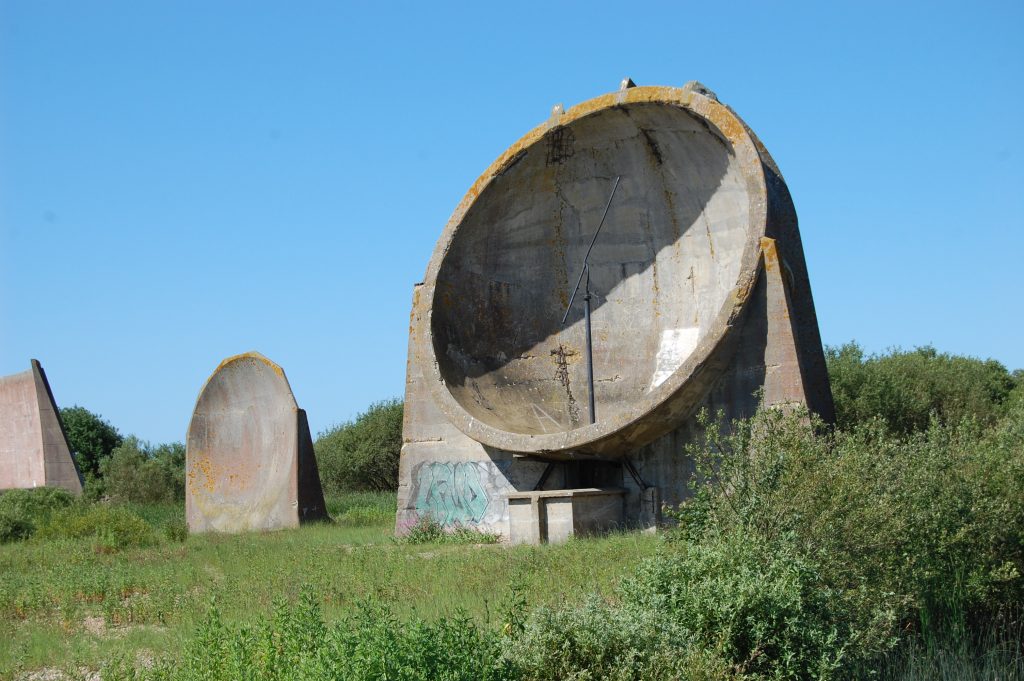
Development was cut short however when a promising new technology came to the fore which would revolutionise defence against aerial attackers.
In 1934, in the face of a resurgent Germany, a committee was formed by the British to look into the topic of air defences. In response to claims in the newspapers that the Germans had high powered radio wave technology which could interfere with aircraft, the committee approached Robert Watson-Watt an expert in the field to advise as to whether such a weapon was feasible.
Watson-Watt was able to calculate that the energy required to power such a system was so great as to make it impossible. He did think however, that radio waves could be used to track a plane from a distance.
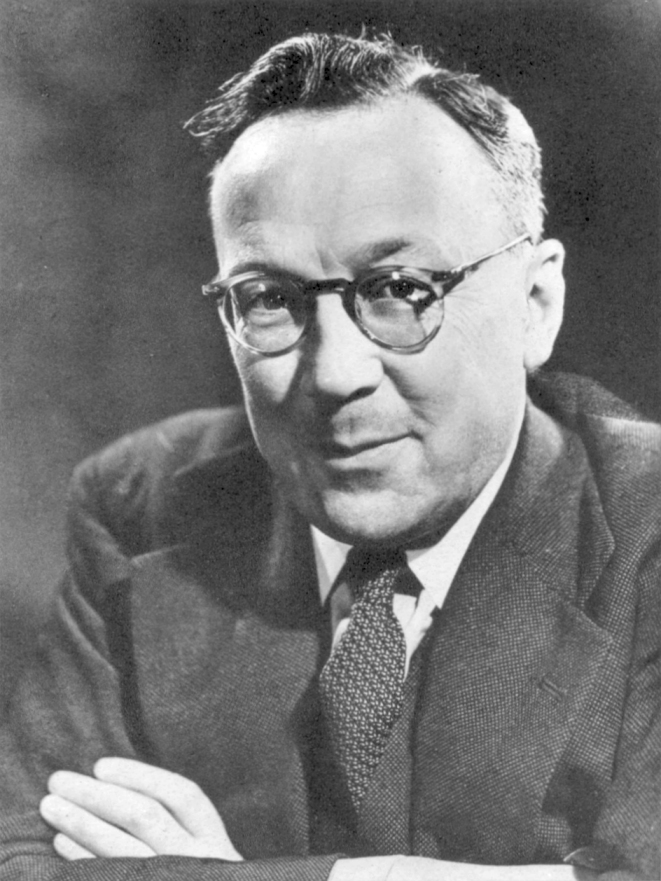
The committee jumped at this proposal and in early 1935 an experiment took place which proved the theory, successfully bouncing a radio signal off a passing RAF bomber. The RAF quickly ordered the development of a working system using this technique. Just a few months later the team were able to demonstrate a range of 60 miles and so plans were swiftly made for a network of stations looking out to sea to provide an early warning of air attack. This new tech was dubbed ‘Radio Direction Finding’ or ‘RDF’. The term RADAR (Radio Detection and Ranging) was coined by the US Navy and not used in the UK until later in the war).
By the outbreak of The Second World War the UK could depend on 21 RDF sites looking out to sea and by September 1940, coverage stretched from the Northern tip of Scotland all the way down the coast to Cornwall. This system became known by the codename CHAIN HOME and it was the first early warning system using RDF technology anywhere in the world.
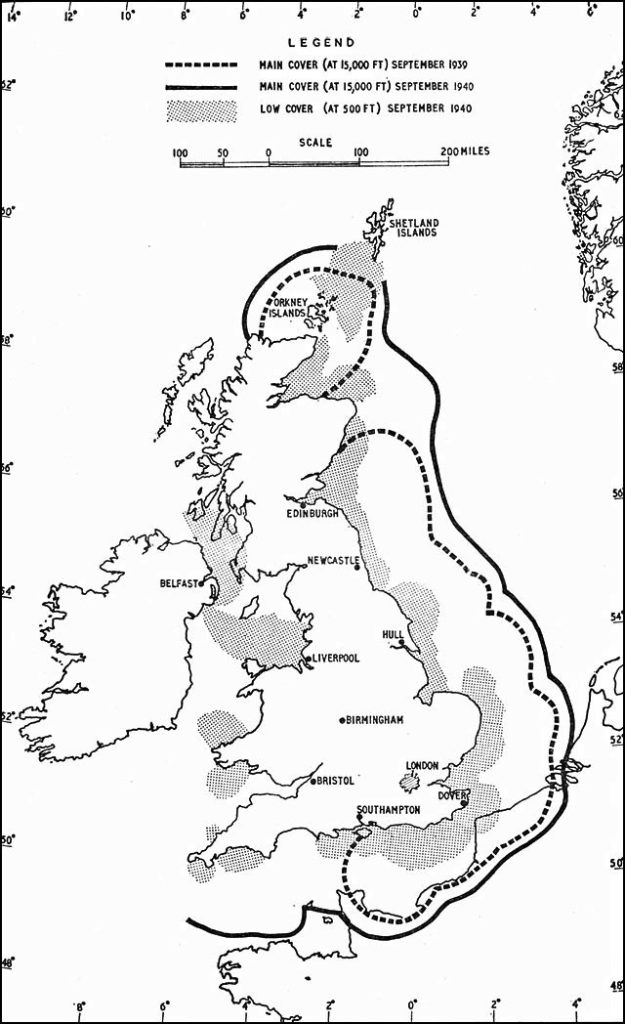
Owing to the systems location on the coast as close as possible to, and facing the threat, once the enemy aircraft had passed over the coast, the system could no longer track them. Initially, inland tracking was carried out by The Royal Observer Corps who, using telephones, binoculars and other basic equipment, whowere positioned all over the country to spot enemy aircraft and report on their position, altitudes and headings.
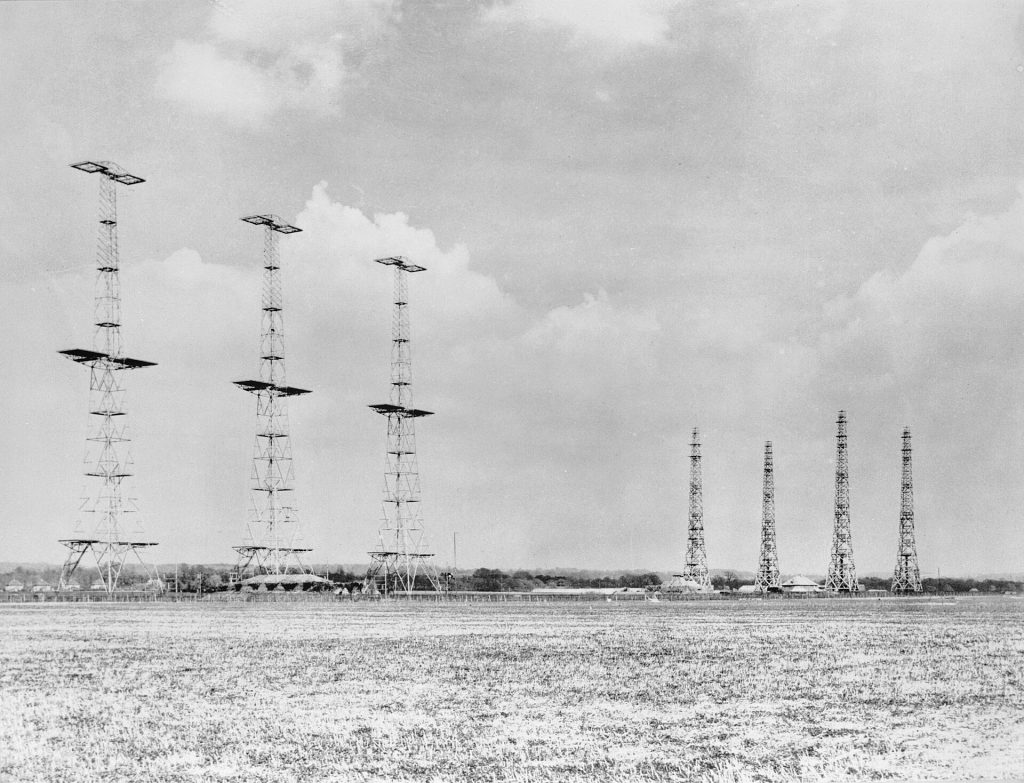
This system was effective enough during the day but was severely hampered at night. Experiments in adapting RDF technology for this purpose proved successful and soon these new units were quickly deployed across the country to supplement the tracking information from CHAIN HOME. These inland sites became known as ‘GCI’ sites which came from the wider concept of ‘Ground Controlled Interception’.
Ground Control
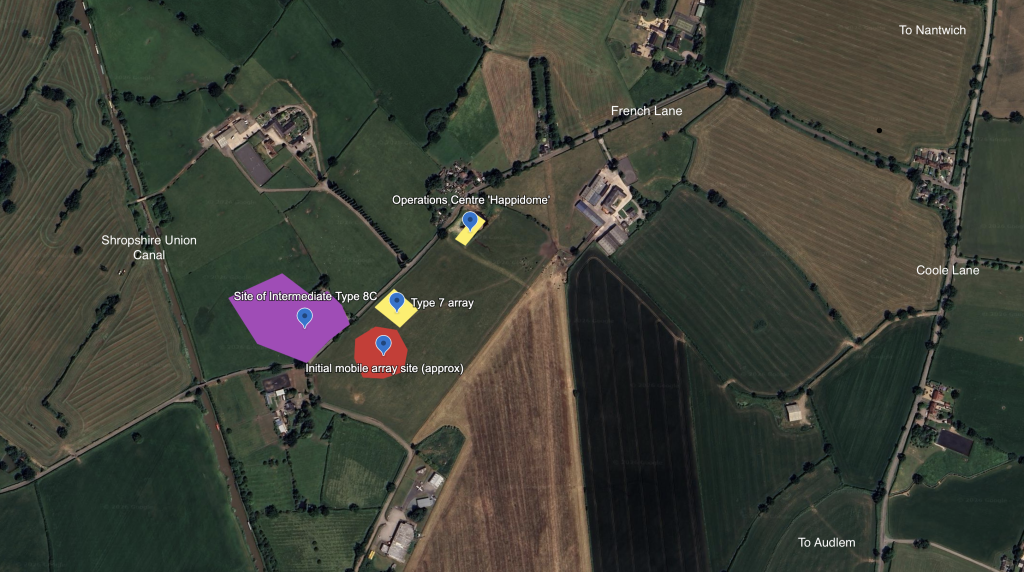
Hack Green was chosen as a GCI site in early 1941 due to its location on the Cheshire Plain. This position between the Welsh Hills and the Pennines provided an ideal place to operate RDF equipment and it was able to cover the strategically important low lying land between Birmingham and Liverpool. Initially, in the rush to deploy the new GCI sets, mobile caravans were positioned in the fields to house the equipment off French Lane.
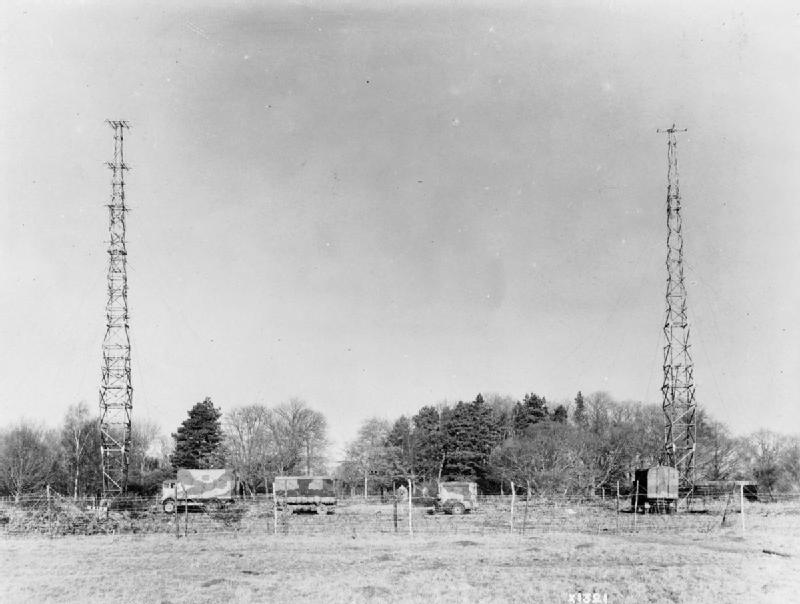
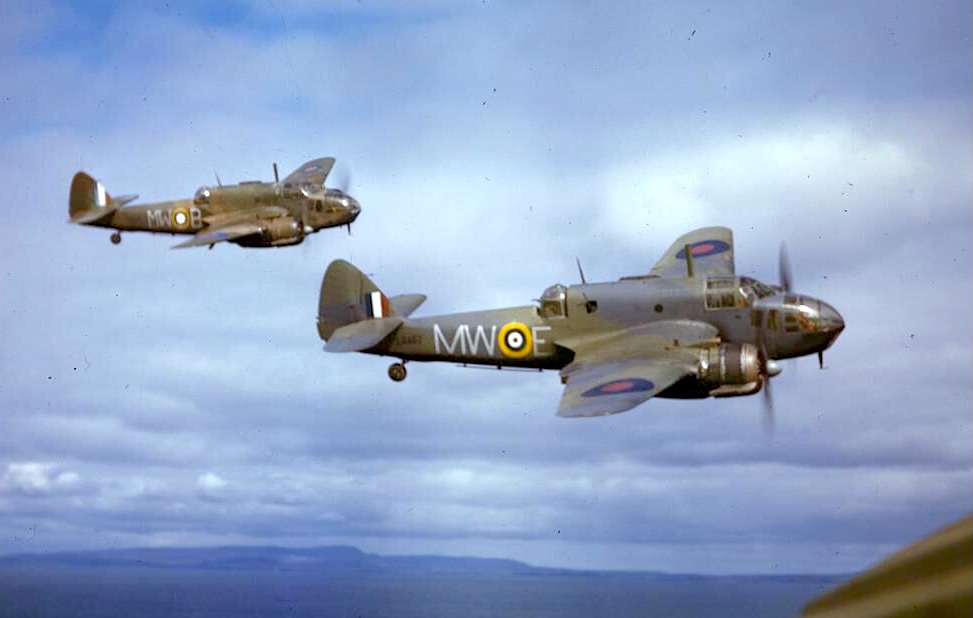
Soon the site was upgraded with a AMES (Air Ministry Experimental Station) Type 8C RDF array mounted on a ‘goalpost’ style gantry which was turned manually using hand cranks. Wooden huts housed the equipment replacing the caravans. An operations room also in a wooden hut was nearby where the Plan Position Indicator (PPI), a rudimentary CRT screen would display the position of nearby aircraft. The site could communicate directly with RAF planes which were dispatched to intercept the enemy and guide them towards the target’s position.
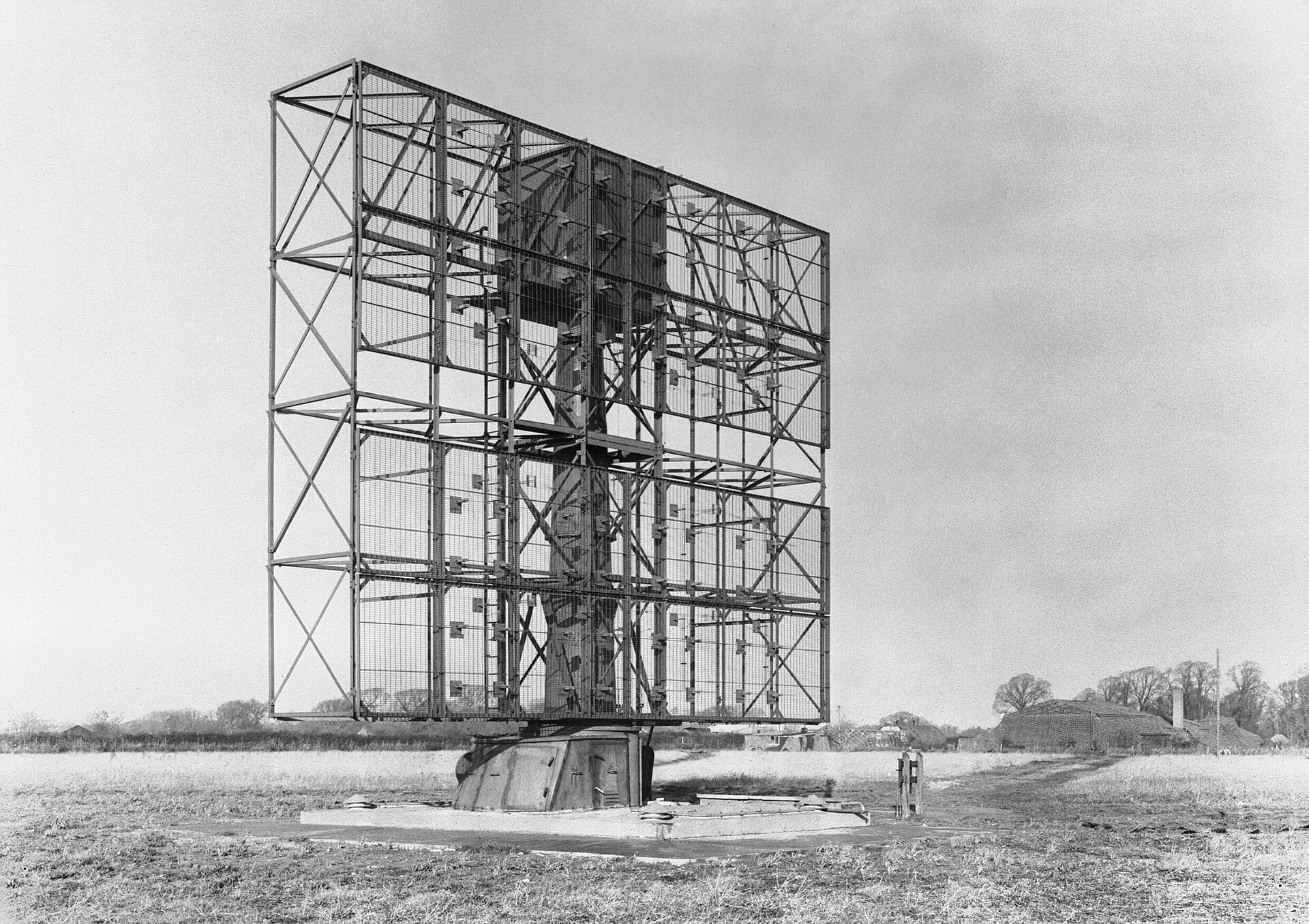
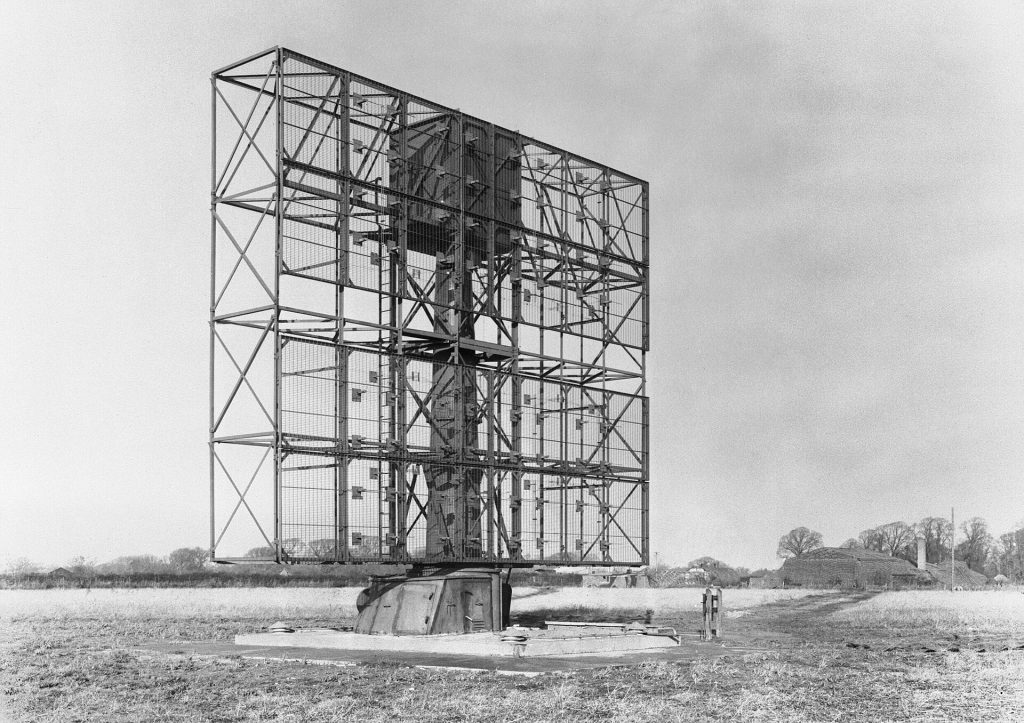
As the technology developed, Hack Green was updated with the AMES Type 7, the final GCI array of the war replacing the Type 8C which was only really intended as a stop gap. The Type 7 was much improved boasting automatic and mechanically operated rotation as well as a brick built control and operations centre known as the ‘Happidrome’ a reference to a BBC radio comedy show of the time. One of just 21 built across the country, the complex also included a standby generator, sewage plant and water tank.
What the Grass Grew Over
As the threat from German bombers eased many of the GCI sites were put in a state of “care and maintenance”, essentially on standby should they be needed but they would not be routinely crewed. It is not clear when Hack Green was stood down but English Heritage (Now Historic England) records that “Air photographs taken during the late 1940s indicate that the station was stood down at the end of the war and the radar arrays and most of the associated wireless aerials were dismantled”.
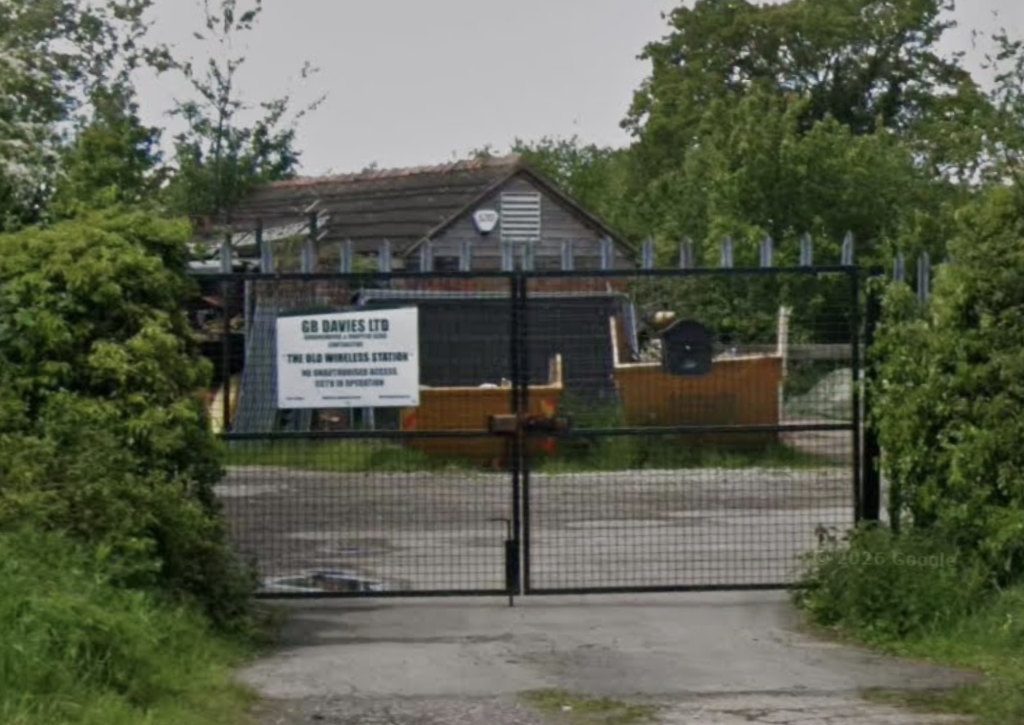
Now very little remains of this important part of Hack Green’s history apart from a few small traces in the fields of concrete bases and anchor points for the cables holding up the equipment. One of two wireless stations still exists on Coole Lane approximately 1 mile to the North West of the ‘Hippidrome’.
The war was over but the threat from the air would never really abate. As the Iron Curtain descended across Europe, East and West eyed each other suspiciously. New technologies and terrifying super weapons meant that GCI sites across the United Kingdom would still have a role to play in this new world order as Hack Green entered The Cold War.
Bibliography
Wayne D Cocroft, 1998 – ‘Hack Green Cheshire – Cold War Project Survey Report’ (English Heritage)
Robert Buderi, 1996 – ‘The invention that changed the world how a small group of radar pioneers won the Second World War and launched a technological revolution’.
https://www.subbrit.org.uk/sites/sopley-rotor-radar-station
https://marconiradarhistory.pbworks.com/w/page/29024389/MARCONI%20RADAR
https://en.wikipedia.org/wiki/Ground-controlled_interception