Take a drive South East from Nantwich and you are soon into the rolling Cheshire countryside, dairy cows on either side of you and miles and miles of open fields. Eventually you will come to Hack Green, a tiny hamlet on the way to Audlem. Just a collection of farms and houses really, and not much more. Something will draw the eye of the more perceptive; A small collection of houses just off Coole Lane stands out in its typically mid-twentieth century style. They just look a bit out of place here. Then you see the famous brown signs leading you down a narrow lane which read “Secret Bunker” and you can’t help but wonder what went on here..
This three part series of articles will explore the hidden 20th century history of this quiet corner of South Cheshire, taking us from the imminent threat of Nazi invasion and a terrifying new kind of aerial warfare all the way to the fall of the Berlin Wall in 1989 and the thawing of The Cold War.
The Storm Clouds Gather
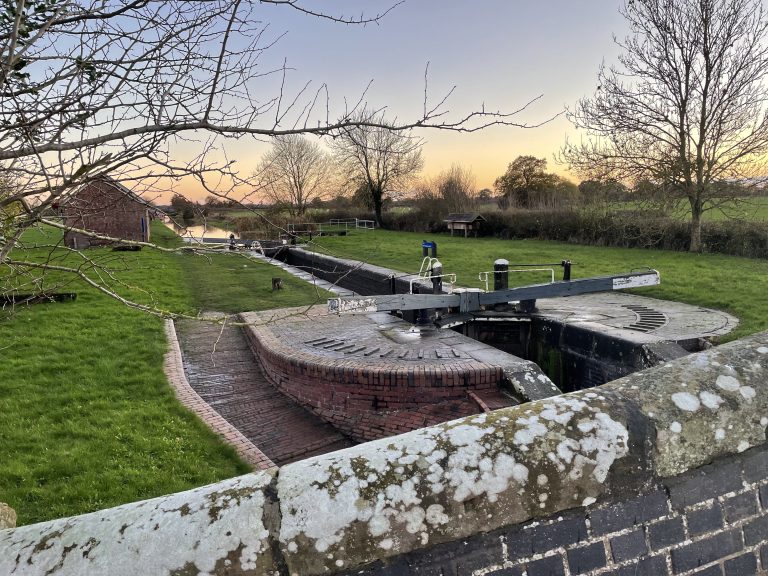
The Second World War came quickly to Hack Green, the ‘Phoney War’, a period of relative calm following the declaration of hostilities between the United Kingdom and Germany, coincided with a period of frenzied activity. A rushed scheme of anti invasion defences was in full swing and by September 1940 some 18,000 individual defences of various kinds had been devised and implemented. Even here, at Hack Green the nearby Shropshire Union canal was a ready made defensive line, capable of stopping a Panzer tank dead in its tracks. The bridges would need to be blocked, of course, and so that’s exactly what happened here at sleepy Hack Green, in the opening act of our story – Read more about these WW2 defences here
It wouldn’t be long though before the hamlet and the nearby farmers fields would play a bigger part in the war effort.
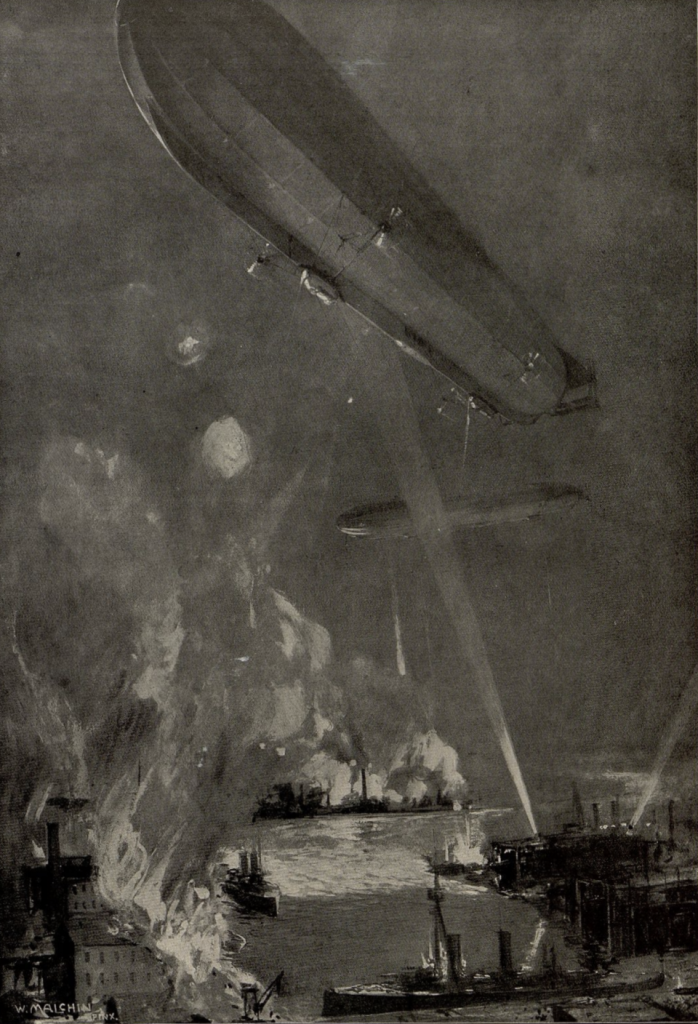
Throughout the 1930s Britain was in the process of beefing up its air defences in the face of Germany’s rapid expansion of air power. The prevailing opinion of British military top brass, mindful of the destruction wrought by enemy Zeppelins on the home front in The Great War, was that any future conflict would entail large scale aerial bombardment of civilian and military targets in Britain. Mindful of this threat, a national system of air and civil defence was initiated including anti-aircraft guns, barrage balloons and The Observer Corps who provided a system of tracking incoming bombing raids.
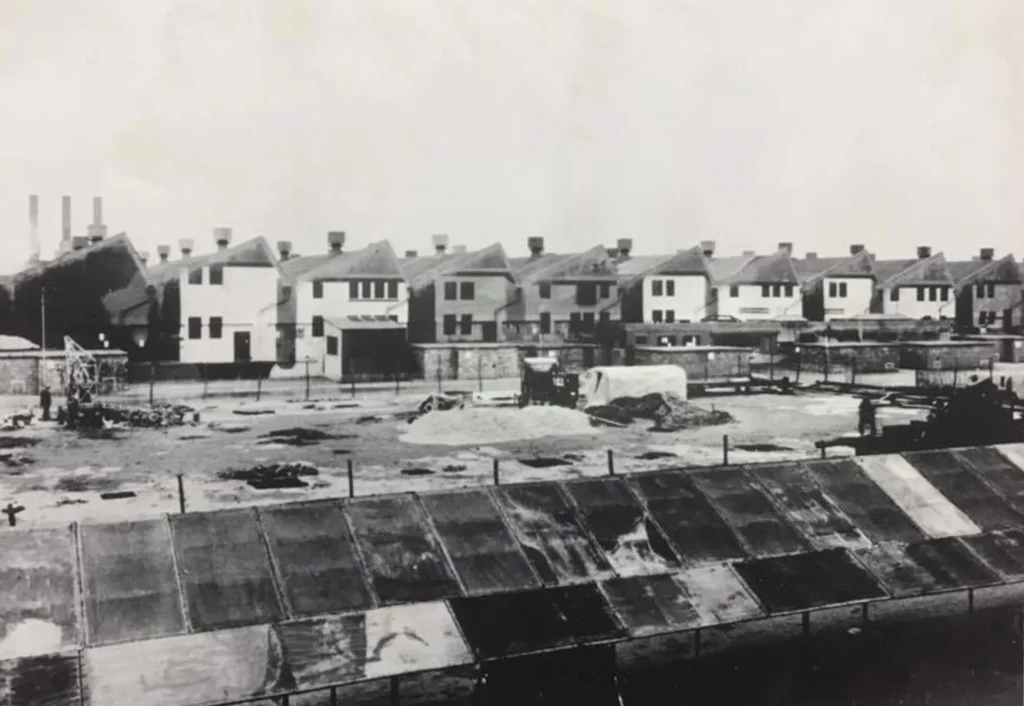
The concept of setting out decoys to entice enemy aircraft crews to drop their bombs in a harmless location and thereby avoiding bomb damage to the intended targets was not initially given much thought. During the previous war, decoys had been used in the South of England at a local level sporadically to some effect, deceiving Zeppelin crews with various kinds of lights and causing them to attack locations of low value. Deception of this kind was also used on the Western Front where dummy airfields were set up as well as lights and flares to confuse the enemy. Despite the potential of these schemes, there was still resistance to a wider national system.
After the war, military chiefs gave no further thought as to the effectiveness of these decoys until 1932 when a conference considered how deception could play a role in a modern conflict but again, these ideas were not really fully accepted by those in charge. As the decade went on however, it would become clear that such systems would likely have a role to play in the wider defence of the United Kingdom.
As well as increasing aircraft production, the Air MInistry massively expanded the number of airfields available to the RAF. By the time the war started over 100 airfields were available and by the end of the war there were 740 dotted all over the country. Attention turned to protecting the valuable aircraft which Britain would depend upon to repel the German threat. To start with, the focus was on the airfields themselves using camouflage to try to blend the harsh edge of the building with the surrounding landscapes as well as dispersal of aircraft to the edges. The design of the buildings changed too, with a focus on protection should a bomb land nearby. Soon, plans were made to disperse aircraft to other nearby sites in an attempt to limit losses should an air raid target the main airfield.
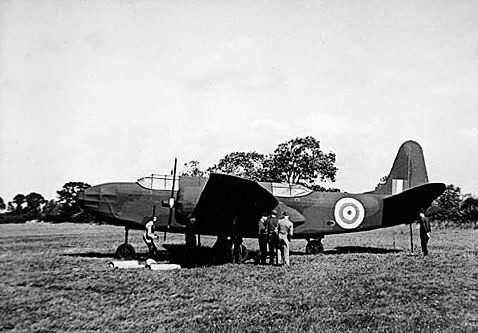
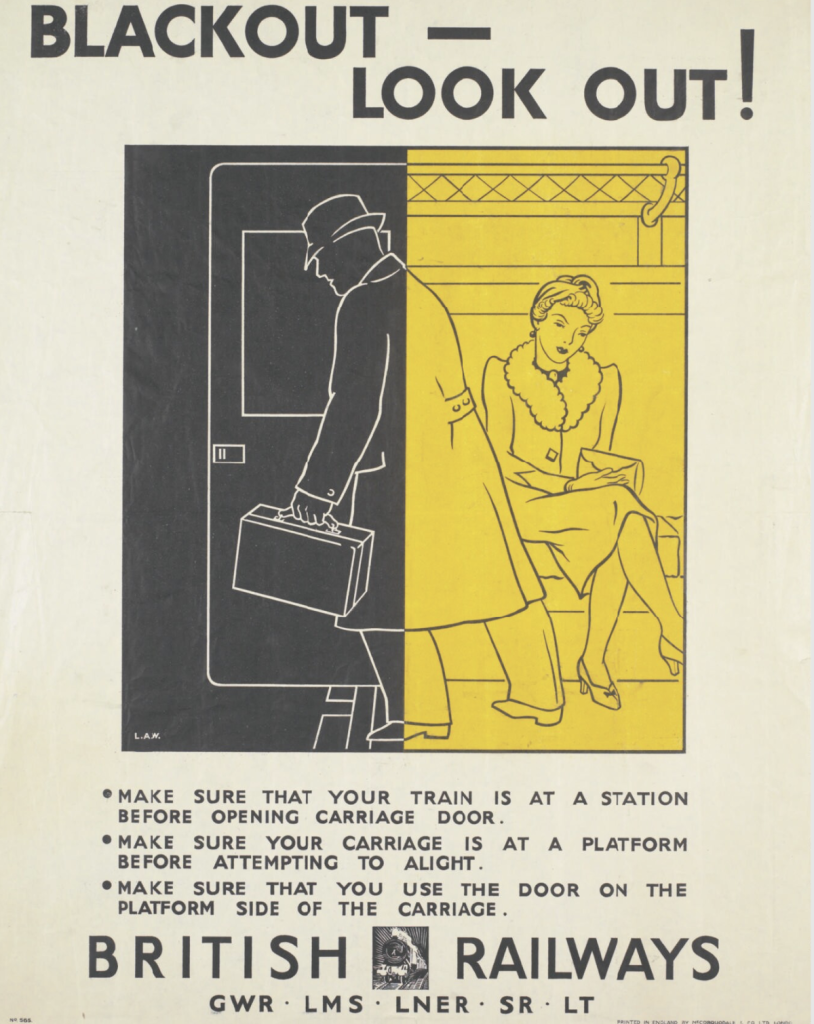
The idea of setting up decoy airfields would be bandied about at the Air Ministry for months but it was the Munich crisis and the failure of appeasement that really got things moving. Around the same time orders were placed for dummy aircraft made from readily available materials like wood, canvas and rubber. The Home Office started trials to try to protect important towns and cities from enemy bombardment. Plans were made for a blackout and huge trials were held to find out if artificial lights to try to make it difficult for German aircrews to navigate and spot their targets at night.
Cometh the hour, cometh the man…
The Air Ministry needed a leader to bring all of these deception plans together and they found just the chap in Colonel John Fisher Turner. He had already retired twice from a varied career in the armed forces as an engineer serving in India and the Middle East and eventually serving as Director of Works at The Air MInistry. He was perfect for the job with an encyclopedic knowledge of the airfields, the expansion of which he oversaw at the MInisty and of the aircraft themselves as a qualified pilot.
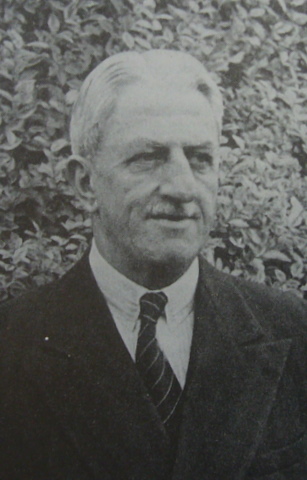
With his unrelenting energy, Turner quickly began to get the team into shape. He could rub people up the wrong way and made short shrift of anyone he felt was being obstructive. He was ruthlessly efficient in achieving the goals that he was tasked with, Top Secret goals at that. So secret in fact that the organisation that he led had no official name, known only as ‘Colonel Turner’s Department’.
Turner oversaw a flurry of deception activities, starting with the decoy airfields which were now well overdue. Nighttime decoys were set up near to the real airfields which consisted of lighting rigs designed to mimic the movement of a taxiing aircraft in the hope of attracting the enemy’s ire and thereby reducing the damage inflicted on the real thing. Others would give the impression of runway lights being hastily extinguished as enemy bombers approached. These sites became known as Q-sites, the naming possibly influenced by Q-ships, warships masquerading as merchant vessels.
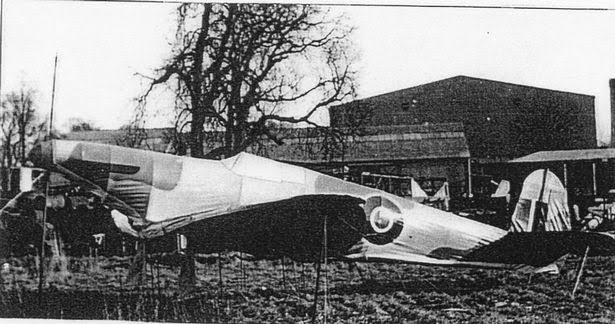
Daytime sites, or ‘K-sites’ were also quickly implemented. A phoney airfield which could be mistaken for the real deal using dummy aircraft and cheaply constructed buildings. Orders were given to move these dummies regularly and to drive vehicles around the sites occasionally to give the impression of activity to passing enemy planes.
The film industry was brought in too, bringing with it a wealth of knowledge of how to build sets that look convincing enough on screen to pass for the real thing. They were set to work straight away to plot inventive new ways to con the Germans.
Operation Starfish
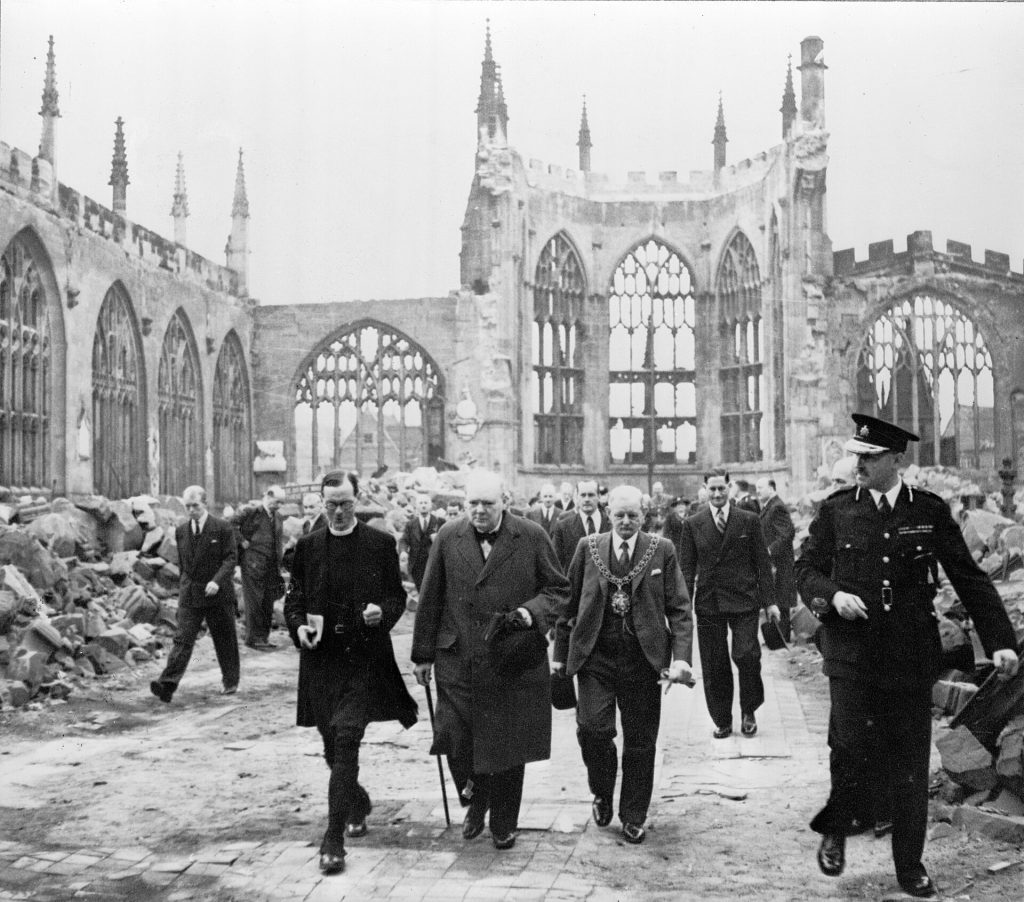
Soon Turner was asked to turn his attention to setting up decoys for civilian targets as well. The devastating bombing raid at Coventry brought the growing threat to towns, cities and vital industries into stark relief. More would need to be done to take the pressure off. The experts from the film industry would build entire dummy factories which would attempt to trick day time raiders into dropping their bombs in the wrong place. After dark air surveys were undertaken by ‘Col. Turners Dept.’ at Crewe and Sheffield to see how they appeared from above to learn how these areas might be brought under their umbrella of deception.
The decoy sites, of all types, were proving successful. More than 100 Q sites were in operation by November 1940 and most of them were drawing enemy attacks to some degree at least. After the concept had been tested on a few larger cities the scheme was broadened to cover other smaller cities and large towns, especially where industrial targets vital to the war effort were located. The plan involved the laying of lights and pyro-technical displays with which to trick the enemy into attacking open countryside rather than their intended targets.
These new types of decoys were initially dubbed ‘SF sites’ or special fire sites. One of the early sites near Bristol was nicknamed ‘Starfish’ and the name stuck. Starfish became the name of the whole SF system.
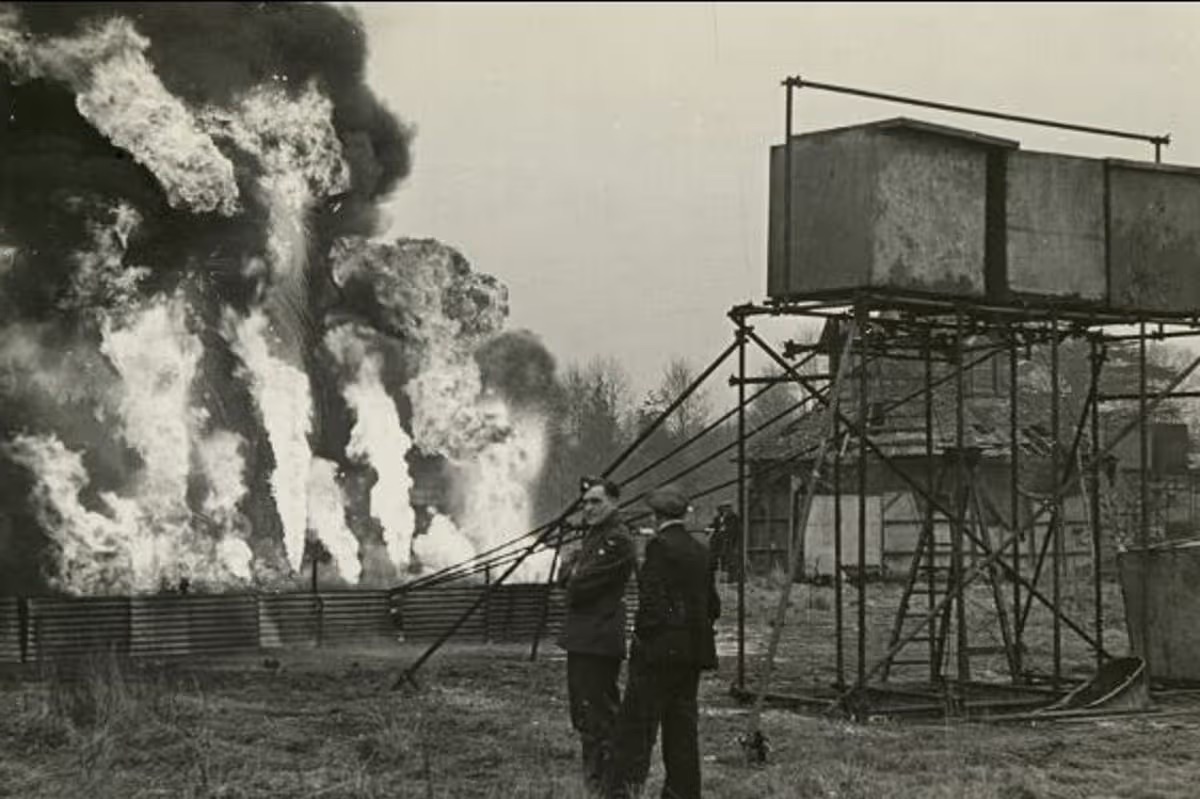
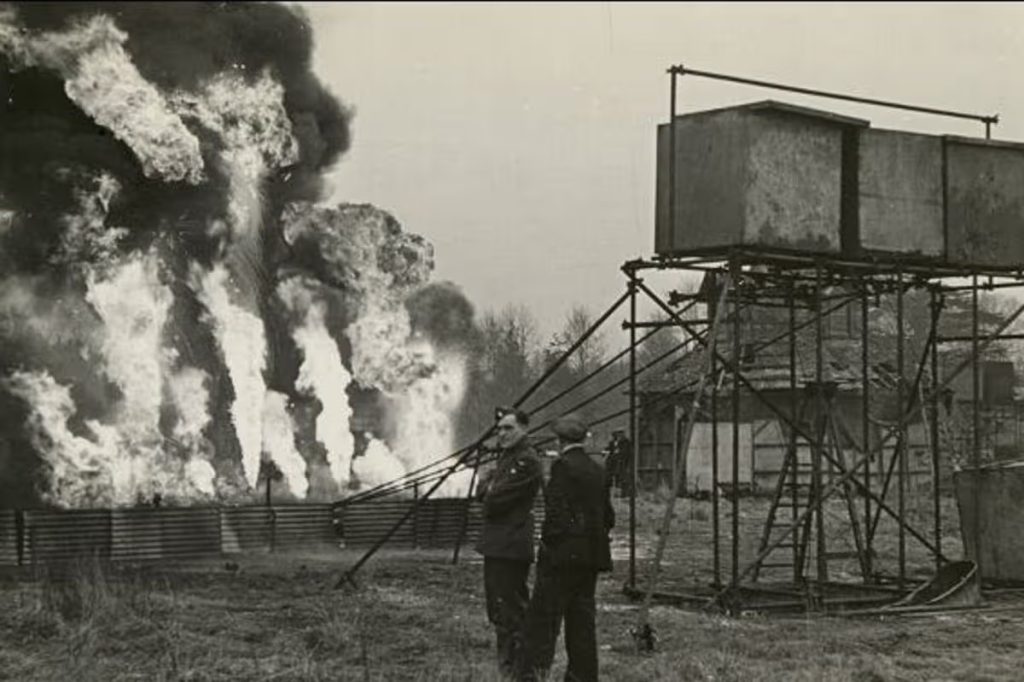
Once an SF site had received their orders by telephone, they would activate the lights which would be used to lure in a would be attacker and once the first bombs were dropped, huge fires would then be lit using electronic ignition to burn in such a way as to look from above like a blazing city or factory in the hope that the next wave of attackers would simply drop their payload there as well. It was known that German aircrews were instructed to target areas which had already been hit for maximum effect. This along with the limited means of navigation available meant that crews far from home and over enemy territory could often be tempted to drop their bombs at the first target they saw before high-tailing it back home.
Several types of fires were developed, each attempting to imitate a particular aspect of an inferno. Vats of burning oil were doused with water creating an explosive mix of fire and massive plumes of smoke and vapour. Flammable materials like tar and roofing felt were hung above a fire to drip and flash as they melted. Basket fires, oblong crates on stilts filled with all kinds of flammable but cheap and readily available material were arranged together which when lit would produce the effect of burning streets when viewed from above. Trenches were dug between each of the contraptions to ensure that the burn could be controlled without the fires spreading by themselves.
This is where Hack Green comes back into our story. Fields close by to the little hamlet were given over, along with another site at Chorlton (now Wychwood Park), to act as decoys for Crewe and its important factories and railway. Their rural locations and, in Hack Green’s case, a nearby railway line that could reasonably pass for the tracks and sidings of Crewe at night from a distance, made them ideal locations for a Starfish site where bombs could fall relatively harmlessly. Special lights were installed at these sites to try to simulate the movement of trains moving along the tracks in a marshalling yard and special fires were created which would look like a fire box emitting light into the darkness from a steam train. Other lights were designed to look like the light escaping from a factory door or skylight left carelessly ajar under blackout conditions.
At Hack Green, the decoys were placed near to the River Weaver in fields to the East of Coole Lane at Austerston Hall. The control shelter was placed some distance away closer to the Hall itself where the lighting and fire effects could be controlled remotely. The small shelter consisted of two rooms, one housed the generator to power the effects and the other a control room for the crew. The walls were surrounded by mounds of earth on each side to shield the building from bomb blasts and a concrete blast deflector was placed near the entrance to provide even more protection.
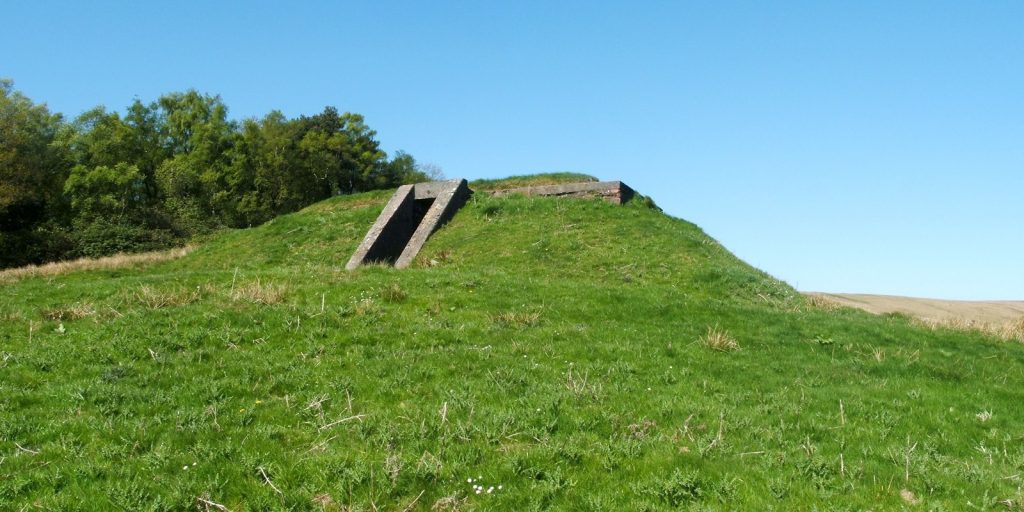
By April ‘43 the site was no longer operational, the threat of raids had diminished and eventually life returned to something like normal. Operation Starfish and the wider decoy plan had saved thousands of tons of munitions from falling on the civilian population and those important centres of industry. A testament to Colonel Turner and his team who had taken hold of a disparate and makeshift collection of decoys and turned it into a masterpiece of deception.
Today, nothing remains of Starfish in those quiet fields near Hack Green but the distant memory of the brave men who manned the decoys tempting the wrath of Nazi air power, willing them to drop their terrible destruction at Hack Green and not on the people and places that they were duty bound to protect.
Bibliography
Wayne Cocroft, 1998 – Cold War Project Survey Report – Hack Green. English Heritage.
Colin Dobinson, 2000 – Fields of deception : Britain’s bombing decoys of World War II (English Heritage)